On July 4, America celebrated the 250th anniversary of the nation’s independence from England with parades, ceremonies and fireworks.
But in the United Kingdom, to quote Sir Paul McCartney, it was “just another day.”
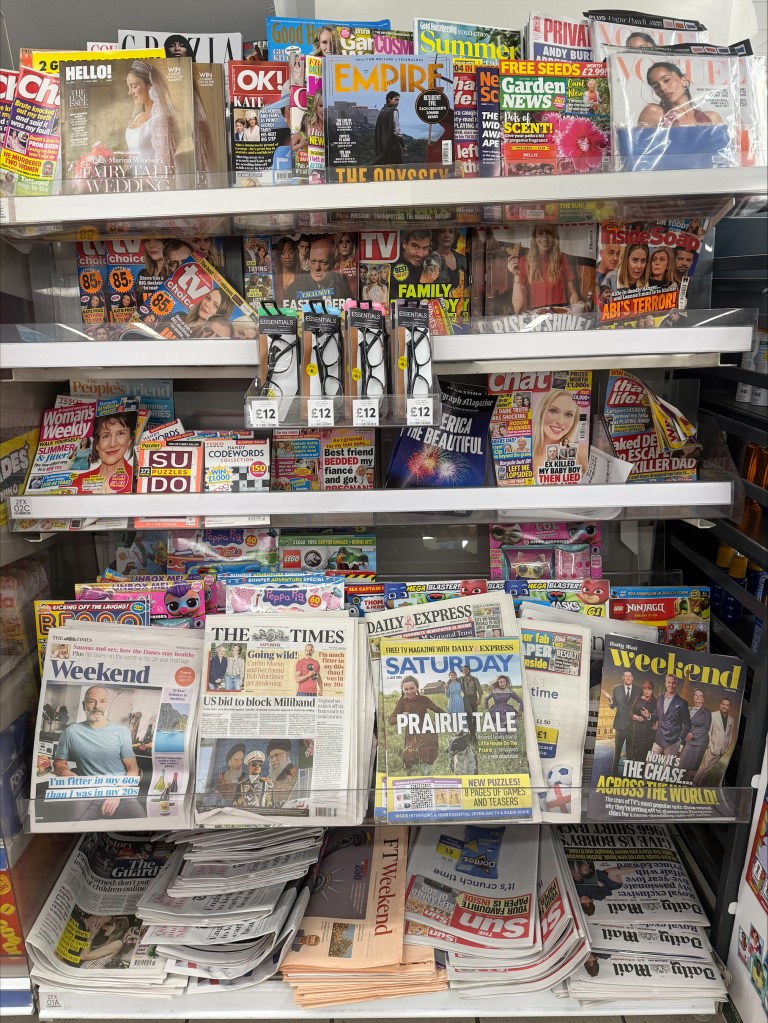
On British newsstands, the headlines were about the World Cup, selecting the nation’s next chancellor and Taylor Swift and Travis Kelce’s wedding.
“I don’t think America’s 250th birthday was given a huge amount of space in the U.K. across the board,” Dr. Lorenzo Cladi, a lecturer in international relations at the University of Plymouth, said. “It is not necessarily because people do not care, but that there are other things that make their way to the front pages. I suppose that might be the biggest difference – that it did not make frontpage in the U.K.”
The anniversary was not completely absent from British media, but the coverage was less about America’s birthday and more about America’s role in the world today. English media viewed the anniversary through an international lens, emphasizing politics, global events, and stories with direct relevance to British audiences. The reporting focused on political division, democracy and national identity. In some outlets, America’s big celebration on the National Mall became a weather story because of the heat and thunderstorms that delayed the event for hours.
In the U.S., news organizations focused on how Americans were celebrating and reflecting on their history.
For example, The New York Times wrote about big city and small-town celebrations that included barbeques, parades and fireworks. The Times magazine featured a story about founding-era Americans whose roles are often overlooked.
The main difference between American and British coverage was perspective. U.S. media centered on how Americans were celebrating and reflecting on their history. U.K. media focused on what the anniversary revealed about America’s current political and social situation. American coverage was more internally focused, while British coverage viewed the anniversary from an outside perspective.
Cladi said differences in coverage vary by the nature of events.
“There can be events that matter more to Americans than the British and vice versa, in which case one could see that events are seen and felt about a bit differently,” he said. “The context in which events take place also matters.”
For example, he said that, in 2020, the British people were looking forward to celebrating the 400th anniversary of the Mayflower’s historic voyage, “but it was all wiped out and forgotten about due to COVID-19.”
Categories: Jandoli Institute, Media


Leave a Reply