By Richard Lee
Along with turkey, stuffing and cranberry sauce, “Alice’s Restaurant” has become part of America’s Thanksgiving traditions.
Arlo Guthrie’s rambling tale of about a holiday meal and his arrest for littering because he had no place to dump the garbage on Thanksgiving is a comedy masterpiece that has kept listeners laughing for nearly 60 years.
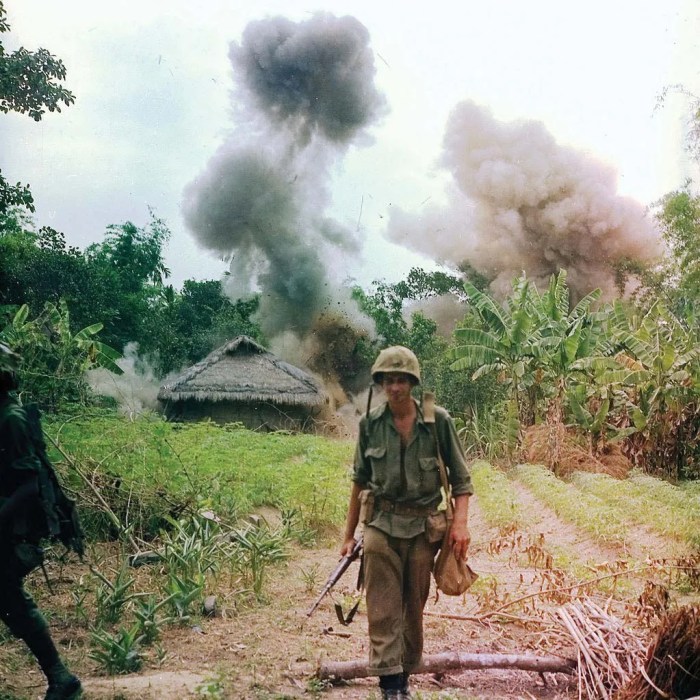
But the song also functioned as journalism at a time when accurate information about the war in Vietnam was not forthcoming from the president, the military or the media.
Guthrie hinted that Vietnamese civilians were being killed by U.S. soldiers two years before Seymour Hersh broke the story of the My Lai massacre and won a Pulitzer Prize for his reporting.
“Alice’s Restaurant” ends at the draft board, where a sergeant notes the arrest on young Arlo’s record and asks him if he has rehabilitated himself. Arlo replies with a mixture of anger and sarcasm: “Sergeant, you got a lot a damn gall to ask me if I’ve rehabilitated myself. You want to know if I’m moral enough join the army, burn women, kids, houses and villages after being a litterbug.”
During the 1960s, Guthrie was not the only singer/songwriter running ahead of mainstream media outlets. Protest music actually functioned as alternative media during the Vietnam War era, regularly asking questions and raising issues that were absent from the mainstream media.
Richard Lee, executive director of the Jandoli Institute, is a former music journalist who often writes about the intersection of music and current events.
Categories: Jandoli Institute, Politics, Pop Culture, Richard Lee, richleeonline
 Jandoli Institute
Leave a comment